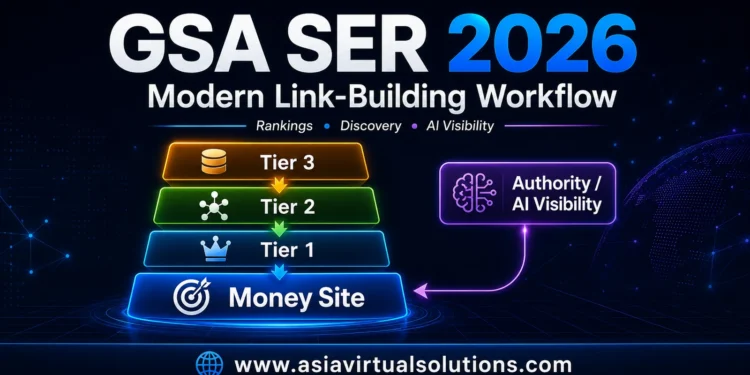
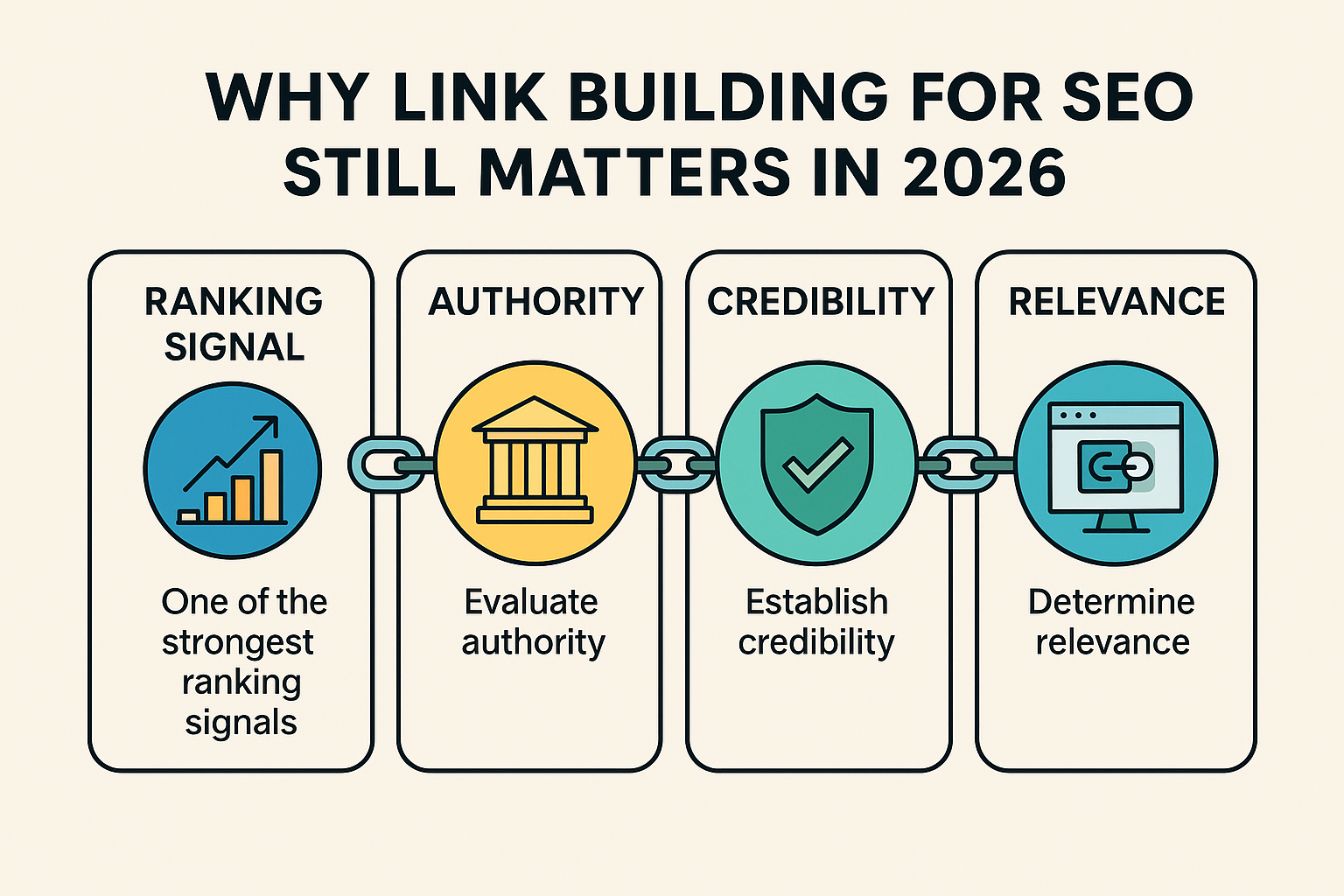
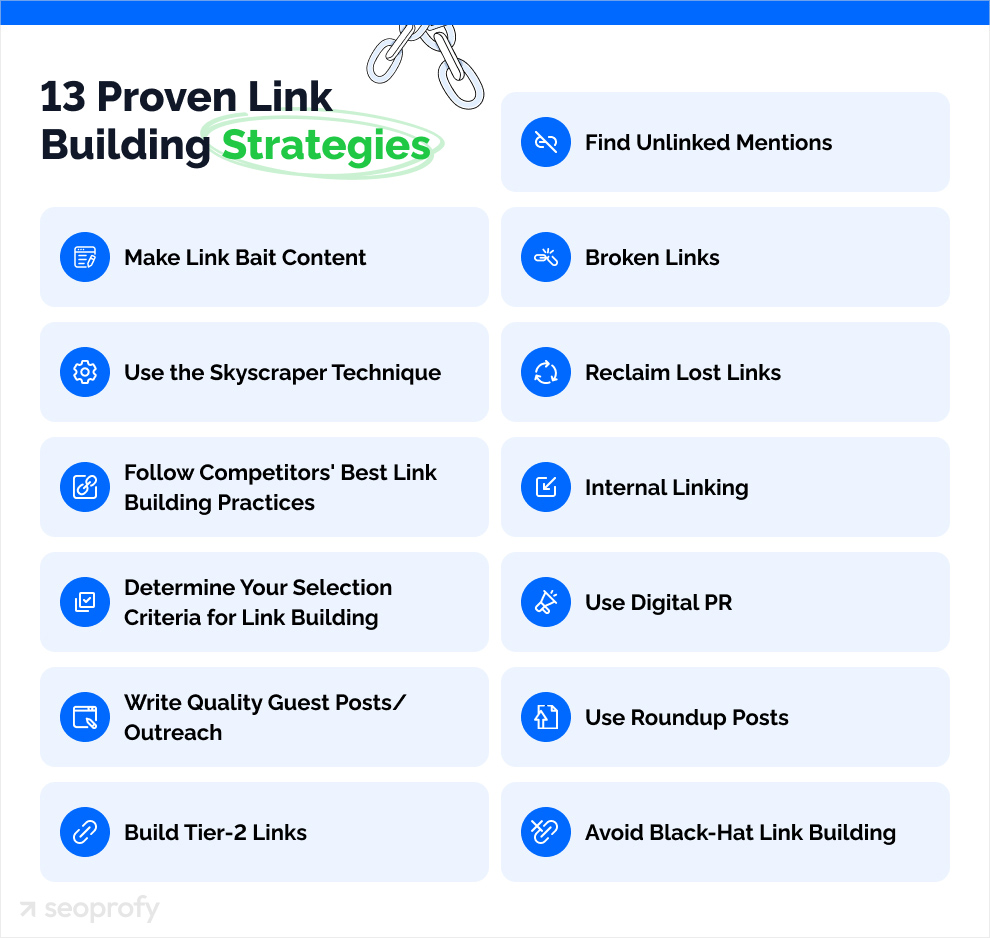
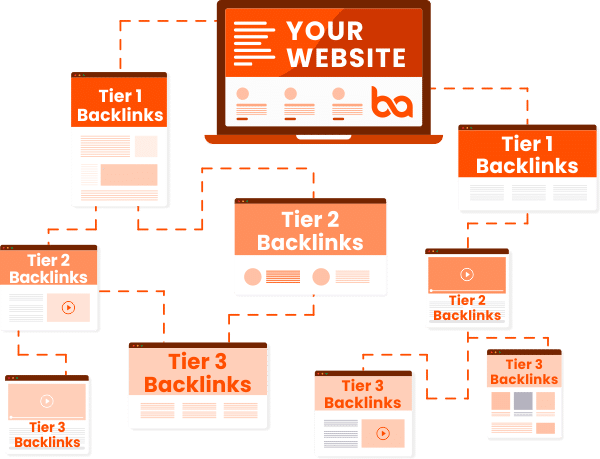
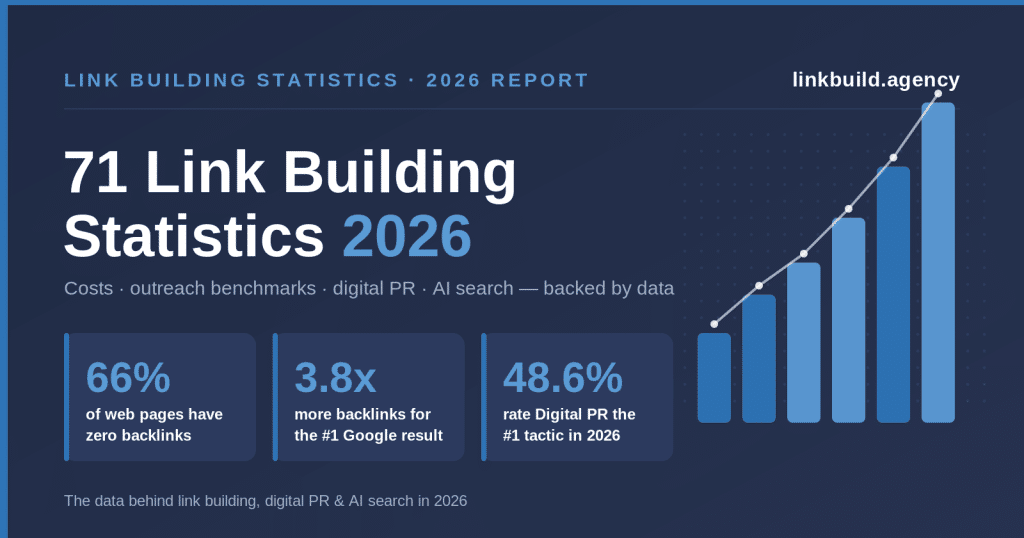
Why Multi-Tier Backlink Building Remains Vital for 2026

, roofing Google Browse Advertisements typical (range $80$350 depending on market). Resident Solutions Ads are more affordable at.
GSA SER project files
LSAs charge only for verified leads (not clicks), bring a Google Surefire badge that constructs trust, and appear above standard search advertisements in outcomes. They are BaaDigi's suggested first paid channel for roofing specialists going into digital marketing.
As soon as mature, SEO provides leads at the most affordable cost of any channel. The key financial investments are Google Service Profile optimization, city-level landing pages, constant review generation (minimum 15 current reviews), and regional citation building. RoofPredict files an average email marketing ROI of 3,800% for roof business significantly higher than social networks (200%) and paid advertising (150%).
At, e-mail is also the lowest-cost channel to operate, making it the advised primary investment for roof contractors.
If you're focused on network ROI without decreasing technical debt, then you're likely operating with an invisible barrier that avoids your financial investments from providing their full worth. While it's a reasonable question (and one worth paying attention to), looking only at ROI offers you just half the story.
Data-Driven Link Building Efficiency Workflows for 2026
Every network was developed to support a particular set of needs at a particular point in time. The network remains exactly as it was created, but those demands change.
It also describes decisions made about your network that may have solved an efficiency problem short-term but left long-lasting complexity issues behind. Knowing your company has technical financial obligation is one thingbut resolving it is another. Time, costs and resource accessibility frequently avoid companies from changing or upgrading facilities that isn't technically stopping working however likewise does not support future operational needs.
Delaying action develops a cycle that's hard to break totally free from. If you wait until brand-new technology release forces the concern, then you deal with rushed upgrades to get the network ready in time. This is not only disruptive but can likewise cause higher expenses and mistakes; there's less time to plan, evaluate options and coordinate execution, so choices might not support your general network modernization strategy.
That's the important things about technical financial obligation: It acts like financial debt that accumulates interest., and it gets even worse the longer you ignore it. The additional you push upgrades, the most likely you are to depend on short-term repairs that will make unavoidable modernization more complex and costly. Consider a hotel including clever space controls to a network doing not have bandwidth to support them.
That temporary layer makes real network upgrades harder later. It takes some time and effort to figure out how that workaround connects to the remainder of the network, whether it can be eliminated and how to migrate the system without disturbance. What if there were a middle ground: a way to start reducing technical financial obligation without needing a big capital financial investment upfront? Reducing technical debt doesn't constantly need to include a large, disruptive capital task that replaces all your legacy equipment.
Data-Driven Link Building Efficiency Workflows for 2026
And that plan starts with an assessment of your network so you comprehend what's working, together with what requires to change if your organization has long-lasting goals it requires to support. With these insights, the goal is to remove the barriers that keep you from getting the most value you can (and as long as you can) from the innovation you currently haveand from having the ability to invest in what will come next.
With its findings in hand, you can make confident choices about which upgrades to prioritize and when while reducing technical debt. While ROI will always be part of your network modernization strategy, we likewise wish to assist organizations comprehend what technical financial obligation is currently costing them in terms of included intricacy, delayed upgrades and constraints on what their networks can support.
Through service-based models and a relied on community of execution partners, our objective is to make it easier to plan practical, scalable paths to modernization instead of treating it as an all-or-nothing capital task. That method, you can get more from your networkand the innovations that depend on it.