The Transformation in Global Link Building ROI

Recognizing that sustainable Google Advertisements efficiency requires continuous strategic managementworking with experienced paid search experts can accelerate optimization and assistance prevent pricey learning-curve mistakes. A Google Advertisements technique is a documented process that guides how organizations designate spending plan, structure campaigns, select keywords, craft ad copy, and enhance efficiency across Google's marketing network.
That's a mistake. An efficient method integrates campaign preparation with more comprehensive service goals so every dollar spent contributes to lead generation, sales, or brand name exposure objectives. According to Google's main best practices documentation, successful projects rest on lining up structure with specific marketing objectives, choosing suitable project types, and implementing measurement frameworks that enable constant optimization.
The platform's auction environment requires sophisticated campaign planning and continuous optimization to capture high-intent audiences effectively. Organizations that method Google Advertisements strategically (rather than reactively) position themselves to exceed rivals who rely on default settings and sporadic management.
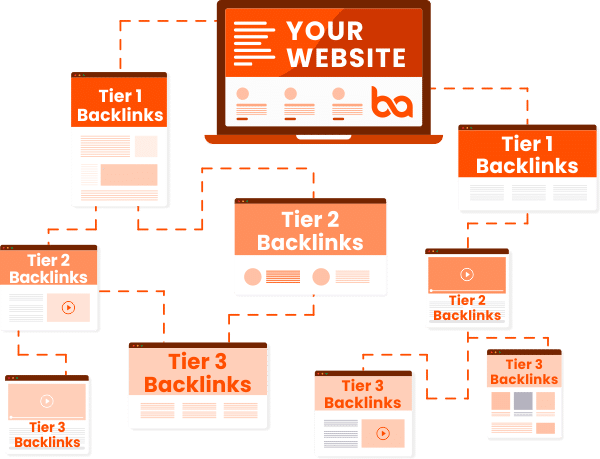
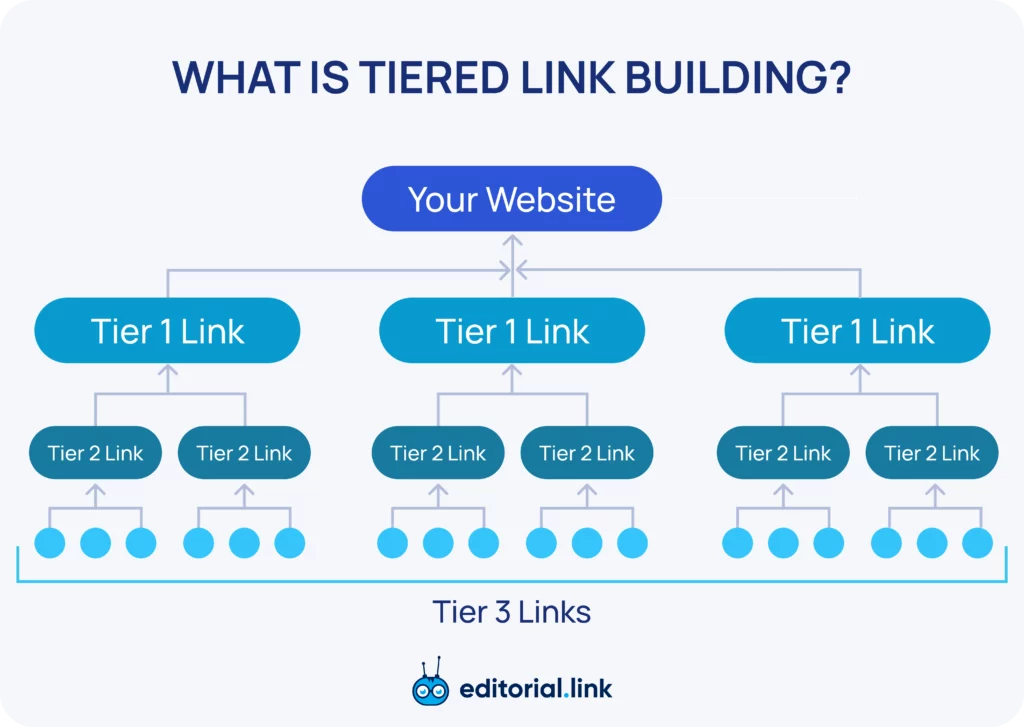
GSA SER 3 tier projectMaximizing Link Building ROI in the Future
Whether your primary goal is lead generation, e-commerce sales, brand name awareness, or a combination, your goals directly affect campaign type choice, bidding strategy, keyword targeting, and success metrics. Research study from Databox exposes that over 40% of surveyed business use Google Advertisements dominantly for list building, and roughly 30% focus on driving direct sales.
Objective TypeRecommended Campaign TypesPrimary MetricsBidding StrategyLead GenerationSearch, Display, Need GenCost per Lead, Conversion RateTarget Certified Public Accountant, Maximize ConversionsE-commerce SalesShopping, Efficiency Max, SearchROAS, Earnings, Deal VolumeTarget ROAS, Maximize Conversion ValueBrand AwarenessDisplay, YouTube, Demand GenImpressions, Reach, View RateTarget Impression Share, CPM BiddingLocal BusinessLocal Services, SearchStore Visits, Calls, DirectionsManual CPC, Optimize Clicks Here's something I've seen trip up even experienced advertisers: an untidy account structure.
A well-organized structure supplies the structure for granular control, better importance, and cleaner data. According to WordStream's 2026 guide to Google Advertisements account structure, the hierarchy flows from Account to Projects to Advertisement Groups to Keywords and Ads, with each level serving specific organizational and targeting functions. Campaigns should be separated by broad themes such as product categories, services, geographic areas, or marketing funnel phases.
This enables for exact resource allocation based on efficiency and priority. Within each campaign, structure your advertisement groups around specific styles, products, or services. The goal is tight alignment in between keywords, ad copy, and landing pages within each advertisement group. Market specialists recommend preserving 2-3 closely related keywords per ad group rather than the outdated single keyword advertisement group (SKAG) approach, which has actually become less efficient as match type meanings have evolved.
First, keep top quality keywords in a different campaign due to the fact that brand terms typically perform in a different way and can alter total campaign metrics. Second, for businesses serving several areas, produce different projects per area to make it possible for geo-specific messaging, provides, and budget allotment. And third, separate users in research mode from those ready to purchase, tailoring ad copy and landing pages appropriately.
Scaling Global Link Performance Through Automation
Keywords function as the trigger mechanism for Google Search projects. This makes research study and selection amongst the most substantial tactical decisions you'll make. Do not just compile lists of appropriate terms. Efficient paid search method needs comprehending search intent hierarchies and match type implications. According to research study cited by Improvado's Google Advertising campaigns guide, keyword strategy needs to be structured around intent categories: discovery inquiries that present your brand name early in the consumer journey, factor to consider questions that form preference while prospects assess choices, and transactional inquiries that record revenue from purchase-ready searchers.
Match TypeBehaviourBest Use CaseRisk LevelBroad MatchMatches related inquiries and synonymsCampaigns with Smart Bidding and enough conversion dataHigher (requires robust unfavorable keyword management)Phrase MatchMatches questions including your keyword meaningBalanced approach for many campaignsModerateExact MatchMatches queries with identical meaningHigh-value, proven converting termsLower (however may limit reach)A strong unfavorable keyword method avoids lost spend by filtering unimportant traffic.
Review search term reports routinely to include unimportant inquiries as unfavorable keywords. This improves advertisement relevance and reduces cost-per-click over time. Quality Score represents Google's assessment of your advertisement relevance, expected click-through rate, and landing page experience on a 1-10 scale. Google stresses that Quality Rating is a diagnostic tool rather than an auction input.
Advanced Strategies for Multi-Tier Link Building
Keywords with scores of 9-10 achieved conversion rates of practically 7%, considerably higher than lower-scoring keywords. The typical cost per conversion on high-scoring keywords was roughly $10, compared to $35 for keywords scoring 1-2.
Landing page experience assesses whether your landing page delivers on the ad's promise. According to Google's assistance on utilizing Quality Score, essential aspects consist of page load speed, mobile-friendliness, material relevance, and ease of navigation. Smart Bidding represents Google's maker learning-powered automated bidding system. It enhances quotes at auction time based on contextual signals consisting of gadget, place, time of day, internet browser, running system, and user behaviour patterns.
Which strategy should you select? Take full advantage of Conversions works well for lead generation with flexible CPA targets when you desire as numerous conversions as possible within budget plan. Target CPA drives conversions at a particular expense per acquisition, perfect for projects with established certified public accountant standards. Take full advantage of Conversion Value maximizes overall revenue within budget, finest for e-commerce with different item values.
Increasing Link Building Output Through Template Optimization
Here's the critical implementation information most marketers miss out on: Smart Bidding algorithms require enough conversion information to make informed decisions. In my experience, you need at least 30-50 conversions within the past thirty days before transitioning from handbook to automated bidding. Campaigns with limited conversion history may experience suboptimal performance since the algorithm does not have context for accurate bid optimization.
Avoid setting aggressive CPA or ROAS targets immediately. Enable the algorithm knowing duration to complete (generally 1-2 weeks) before examining performance and making modifications. Gradual target modifications decrease volatility and support more stable campaign economics. Your advertisement copy represents the critical persuasion minute between search question and click. This matters more than many advertisers realize.
Replace unclear claims with concrete information due to the fact that "Free next-day shipment on orders over $50" outperforms generic guarantees each time. Concentrate on customer outcomes rather than product features. Highlight distinct selling propositions that distinguish your offer from auction competitors. Use action-oriented language showing clear next steps. Ad extensions (now called assets) increase exposure and engagement.
Methods to Enhance SEO Workflow Templates
What's the greatest ROI gain for a lot of marketers? Landing page optimization. I have actually seen campaigns double their conversion rates simply by fixing the disconnect between advertisement pledge and landing page shipment. Guarantee headings, deals, and visuals straight reflect the advertisement that brought visitors. Consistency improves Quality Rating and lowers bounce rates.
Page speed considerably affects both Quality Score and conversion rates, so utilize PageSpeed Insights to determine and address efficiency concerns. And with most of Google advertisement clicks coming from mobile phones, test landing pages throughout gadgets to ensure constant experiences. Keywords catch intent signals. Audience targeting includes behavioural and group dimensions to your Google Advertising campaigns planning.