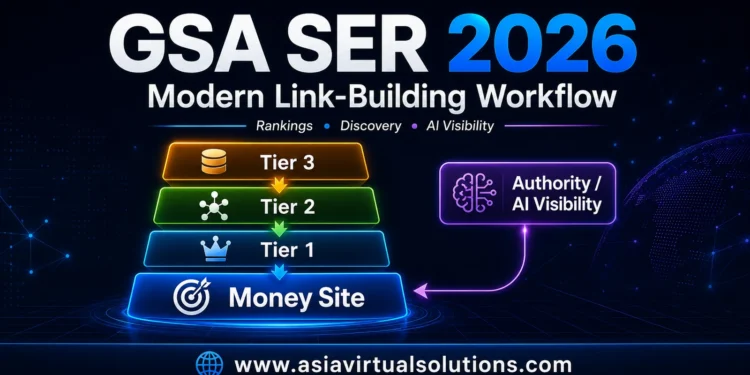
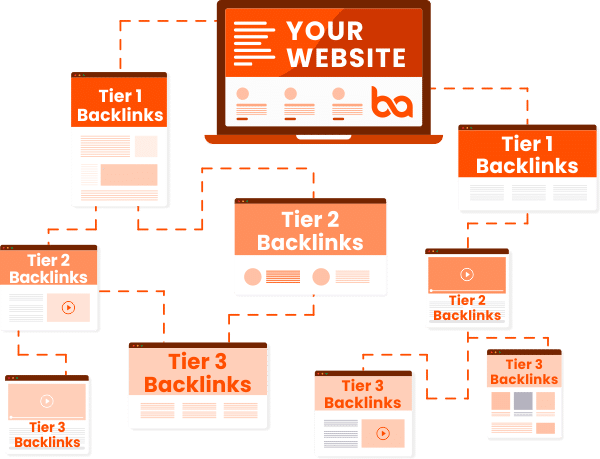
Technical Tiered Backlink Strategy for 2026
, roof Google Search Advertisements average (range $80$350 depending on market). Local Providers Advertisements are cheaper at.
Yes. BaaDigi's 2026 information shows Regional Services Advertisements generate leads at approximately at $228. LSAs charge only for validated leads (not clicks), carry a Google Surefire badge that constructs trust, and appear above standard search ads in outcomes. They are BaaDigi's advised initially paid channel for roofer going into digital marketing.
When fully grown, SEO delivers leads at the most affordable expense of any channel. The crucial investments are Google Company Profile optimization, city-level landing pages, consistent evaluation generation (minimum 15 recent evaluations), and regional citation structure. RoofPredict documents a typical e-mail marketing ROI of 3,800% for roofing companies drastically greater than social networks (200%) and paid advertising (150%).
At, e-mail is also the lowest-cost channel to operate, making it the recommended main financial investment for roofer.
If you're focused on network ROI without lessening technical debt, then you're likely operating with an undetectable barrier that avoids your financial investments from delivering their full worth. While it's a reasonable concern (and one worth paying attention to), looking only at ROI gives you simply half the story.
Boosting Link Building Output Via Template Optimization
It does not measure what your existing financial investments are costing you. That's where technical financial obligation is available in. Every network was constructed to support a specific set of needs at a certain time. The network stays exactly as it was designed, however those demands change. New applications roll out, more devices require to connect and more work relies on automation to run.
It likewise describes choices made about your network that might have resolved an efficiency issue short-term but left long-term intricacy problems behind. Knowing your organization has technical debt is one thingbut addressing it is another. Time, costs and resource accessibility often prevent organizations from changing or upgrading facilities that isn't technically stopping working but also does not support future functional requirements.
restore a project in GSA SERPostponing action creates a cycle that's difficult to break totally free from. If you wait till new innovation deployment requires the issue, then you deal with hurried upgrades to get the network prepared in time. This is not only disruptive however can likewise cause higher expenses and errors; there's less time to strategy, evaluate options and coordinate execution, so decisions may not support your general network modernization method.
That's the important things about technical financial obligation: It acts like financial debt that accrues interest., and it becomes worse the longer you disregard it. The more you press upgrades, the more likely you are to count on short-term repairs that will make inescapable modernization more complicated and expensive. Consider a hotel including smart space controls to a network doing not have bandwidth to support them.
That momentary layer makes real network upgrades harder later on. It takes some time and effort to figure out how that workaround connects to the remainder of the network, whether it can be gotten rid of and how to move the system without disruption. What if there were a happy medium: a method to begin minimizing technical debt without requiring a big capital investment upfront? Decreasing technical debt does not constantly have to include a big, disruptive capital project that changes all your legacy devices.
Implementing Advanced Tiered Backlink Workflows
Which strategy starts with an assessment of your network so you understand what's working, together with what requires to alter if your organization has long-term objectives it needs to support. With these insights, the objective is to eliminate the barriers that keep you from getting the most worth you can (and as long as you can) from the technology you currently haveand from having the ability to purchase what will follow.
With its findings in hand, you can make confident decisions about which upgrades to prioritize and when while lessening technical financial obligation. While ROI will constantly become part of your network modernization technique, we also desire to assist companies understand what technical debt is currently costing them in terms of included intricacy, postponed upgrades and constraints on what their networks can support.
Through service-based models and a trusted ecosystem of application partners, our objective is to make it easier to plan practical, scalable paths to modernization rather of treating it as an all-or-nothing capital job. That method, you can get more from your networkand the technologies that depend on it.