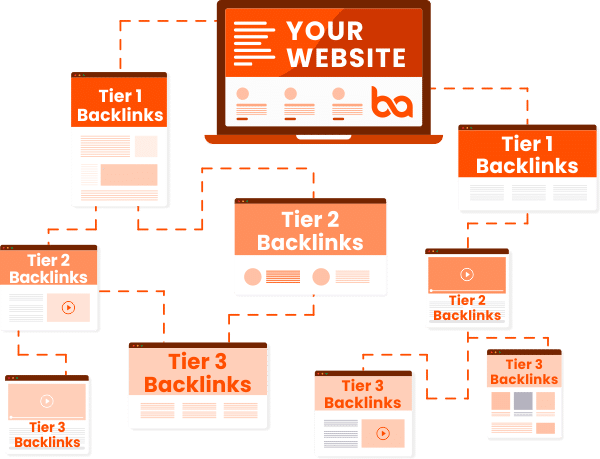
Implementing Sophisticated Multi-Tier SEO Pipelines
According to BaaDigi's June 2026 standards, roof Google Browse Advertisements average (range $80$350 depending on market). Resident Providers Advertisements are cheaper at. Mature SEO programs provide the lowest-cost leads at after 1218 months of optimization. WebFX's market criteria locations the general CPL at throughout all channels. RoofPredict's analysis suggests assigning marketing budget plan as follows: email marketing, SEO/content, paid ads, and the remainder for social media and regional collaborations.

LSAs charge only for validated leads (not clicks), carry a Google Guaranteed badge that builds trust, and appear above standard search ads in outcomes. They are BaaDigi's suggested first paid channel for roof contractors going into digital marketing.
As soon as fully grown, SEO provides leads at the lowest cost of any channel. RoofPredict documents a typical email marketing ROI of 3,800% for roofing business drastically greater than social media (200%) and paid marketing (150%).
At, email is likewise the lowest-cost channel to run, making it the suggested main investment for roofer.
If you're concentrated on network ROI without lessening technical financial obligation, then you're likely operating with an invisible barrier that prevents your financial investments from providing their amount. When it pertains to network modernization, ROI gets all the attention. No matter the job scope, every investment returns to the same question: What will it deliver in return? While it's a fair question (and one worth paying attention to), looking just at ROI provides you just half the story.
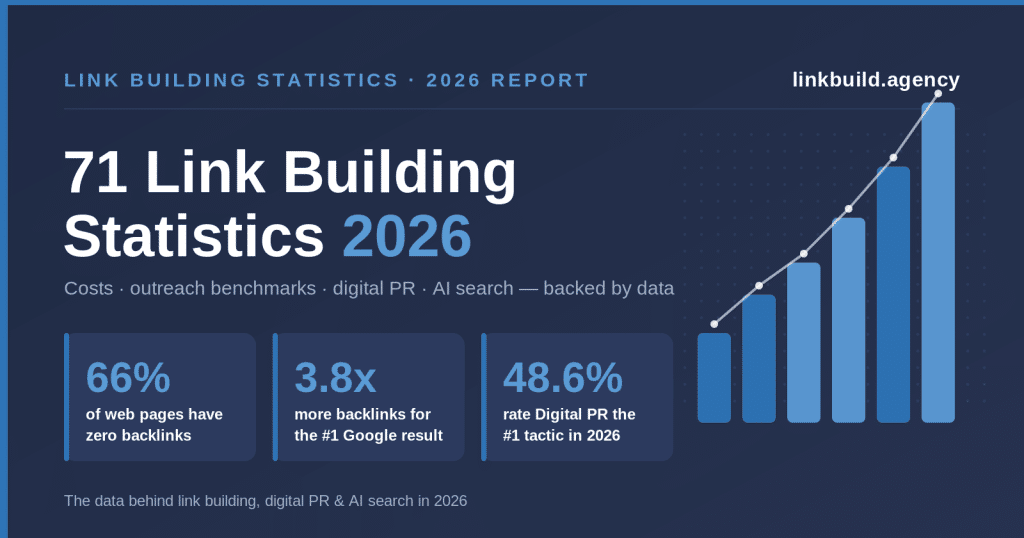
Data-Driven Link Building Efficiency Workflows in 2026
Every network was constructed to support a specific set of needs at a certain point in time. The network remains precisely as it was created, however those demands alter.
It also describes decisions made about your network that may have fixed a performance issue short-term but left long-term complexity issues behind. Knowing your company has technical financial obligation is one thingbut addressing it is another. Time, costs and resource availability typically prevent companies from replacing or updating infrastructure that isn't technically failing but also does not support future operational needs.
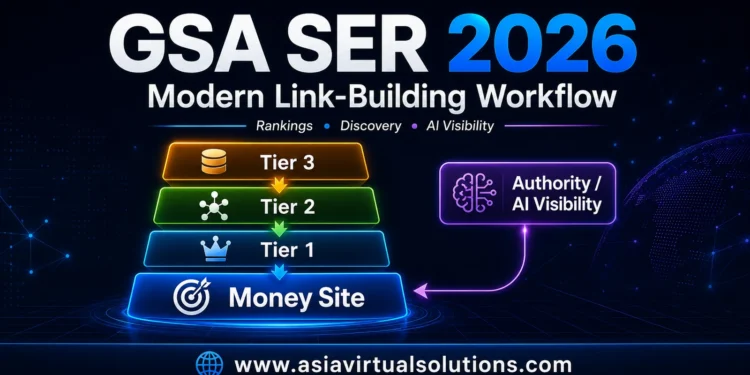
unique GSA SER articlesDelaying action creates a cycle that's difficult to break free from. If you wait till new technology implementation requires the problem, then you deal with rushed upgrades to get the network all set in time. This is not only disruptive but can likewise cause higher costs and mistakes; there's less time to plan, assess alternatives and coordinate application, so decisions may not support your total network modernization strategy.
That's the thing about technical debt: It acts like monetary debt that accrues interest., and it becomes worse the longer you ignore it. The further you press upgrades, the most likely you are to depend on short-term repairs that will make inescapable modernization more intricate and costly. Think of a hotel adding wise room controls to a network doing not have bandwidth to support them.
That short-term layer makes true network upgrades harder later. It takes time and effort to determine how that workaround links to the rest of the network, whether it can be gotten rid of and how to move the system without interruption.
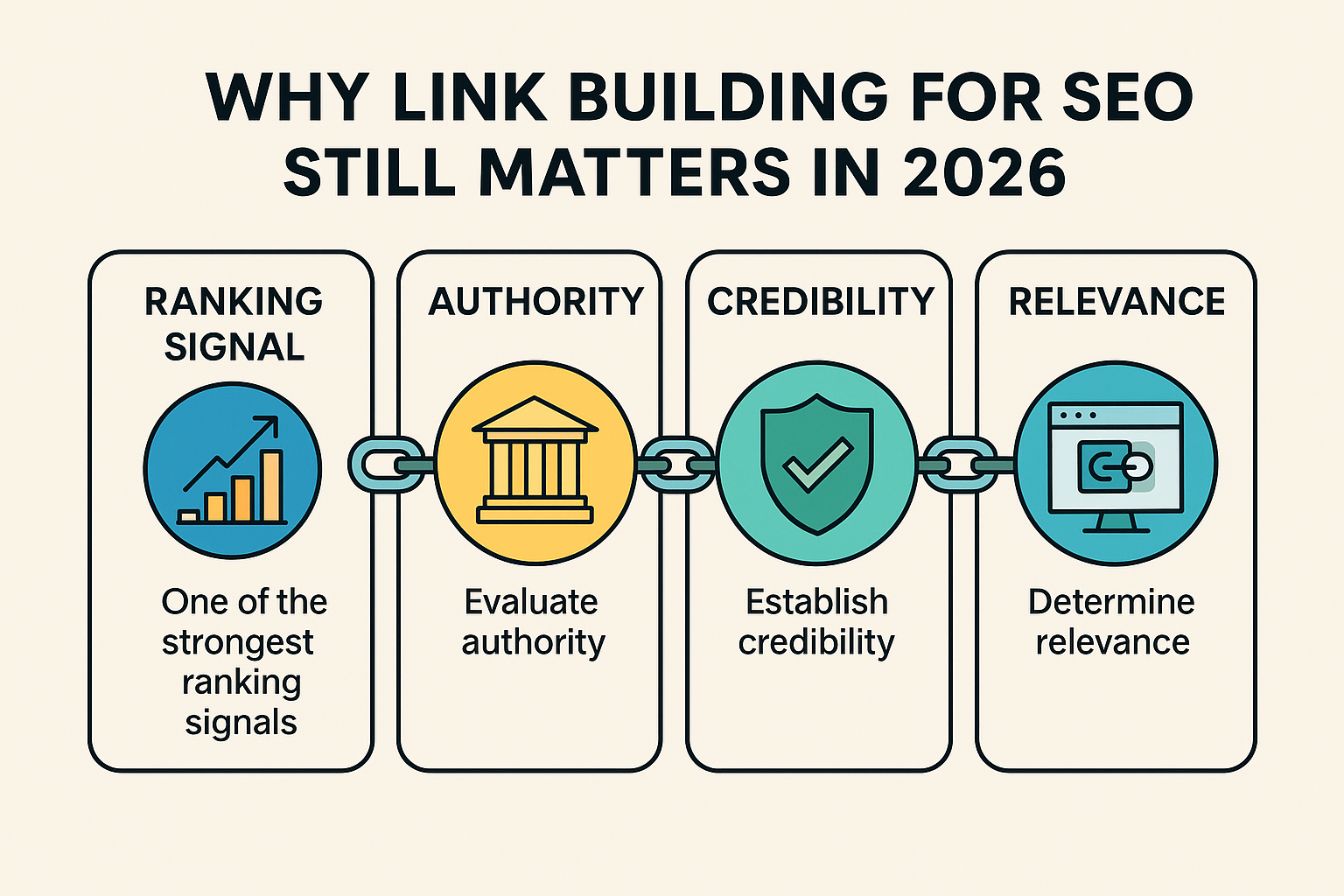
Why Multi-Tier Backlink SEO Remains Vital in 2026
Which plan starts with an assessment of your network so you comprehend what's working, together with what requires to alter if your company has long-lasting goals it requires to support. With these insights, the goal is to remove the barriers that keep you from getting one of the most worth you can (and as long as you can) from the technology you currently haveand from being able to buy what will follow.
With its findings in hand, you can make positive decisions about which upgrades to focus on and when while lessening technical debt. While ROI will always be part of your network modernization method, we also wish to help companies understand what technical debt is currently costing them in terms of included intricacy, delayed upgrades and constraints on what their networks can support.
Through service-based models and a trusted community of application partners, our objective is to make it easier to plan practical, scalable courses to modernization rather of treating it as an all-or-nothing capital project. That way, you can get more from your networkand the innovations that depend on it.