Developing an Advanced SEO Framework
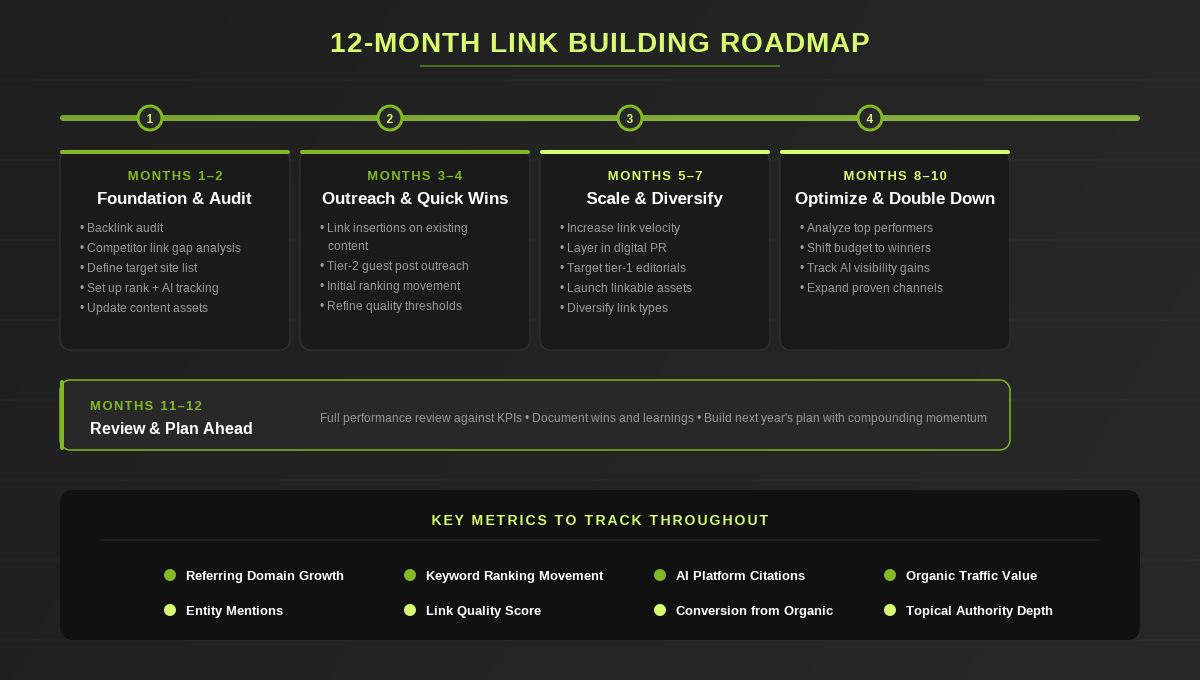
This short article, the final installment in our four-part series on AI technique, breaks down the ROI of AI combination in mobile apps 2026 to assist you determine if your roadmap leads to earnings or redundancy. When determining the AI app development cost vs company worth, lots of stakeholders fall under the Subscription Trap or the assumption that AI costs start and end with a month-to-month API expense.

The complexity occurs because AI is not a set-and-forget function; it is a living component of your software application. Unlike standard code, which remains static until a developer alters it, AI designs are subject to Information Drift which relates to a phenomenon where the model's accuracy breaks down as real-world data progresses.
Current 2026 data shows 3 distinct pricing tiers for AI execution: Basic AI MVPs ($5,000 $75,000): Leveraging pre-trained APIs for features like sentiment analysis or fundamental chatbots. Mid-Level Integration ($75,000 $250,000): Custom Retrieval-Augmented Generation (RAG) architectures and recommendation engines that require significant information engineering. Enterprise-Grade Agentic Systems ($250,000 $1M+): Self-governing workflow systems that handle multi-step decision-making and high-precision metering.
Unlike traditional software where hosting is a predictable flat charge, AI functions sustain costs whenever a user connects with the design. Professionals now advise budgeting for MLOps overhead, as high-volume apps can see token consumption expenses that eat into margins if not architected with a FinOps frame of mind. The cost-benefit analysis of AI features in software is no longer simply speculative.
This multiplier isn't simply a by-product of automation; it represents the Effectiveness Frontier where AI-native architectures start to exceed legacy systems by compounding information insights into actionable revenue. To record this 1.7 x return, companies need to pivot from seeing AI as a 'cool feature' to treating it as a core engine for Info Gain, ensuring every token invested contributes straight to a measurable service outcome.
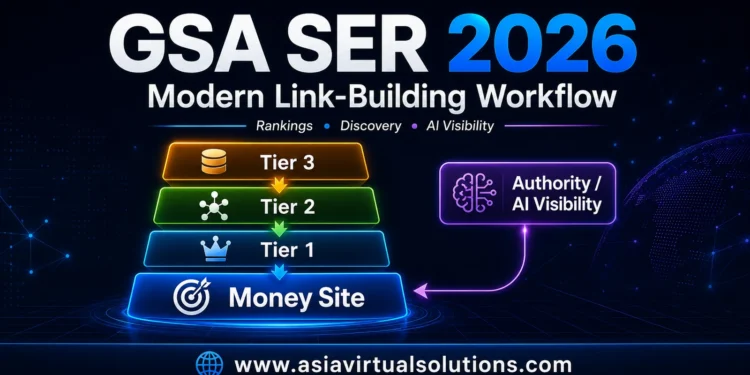
GSA SER project templateDeveloping an Advanced Link Building Framework
The most successful combinations avoid the Expectation Gap by aligning particular business KPIs with a tiered maturity model, moving from immediate functional wins to long-lasting market interruption. 618 Months: Short-term gains are typically seen in efficiency and cost avoidance. This includes decreasing client assistance tickets by approximately 68% through intelligent routing.
3+ Years: Long-term ROI is discovered in market share gains and completely new organization models made possible by agentic AI. From a Generative Engine Optimization (GEO) standpoint, the worth of your app's AI is no longer determined by just how much it can summarize, but by its Details Gain. In 2026, AI search agents (like Gemini, ChatGPT, and Perplexity) have developed.
By integrating AI that generates initial, exclusive analysis for your users, you aren't simply enhancing your UXyou're making your platform more discoverable to the AI-native search tools driving today's traffic. Deciding to add AI isn't just about a new function; it's about the health of your existing ecosystem.
True tactical value is found in ensuring your foundation is robust enough to sustain a next-generation. Otherwise, you aren't building a possession; you're accumulating technical debt. If you are presently architecting an unified, multi-device software ecosystem, AI should not be an afterthought. It needs to be baked into the Task-to-Value telemetry.
Improving Link Building ROI Via Strategy Optimization
PwC's recommend that Agentic AI will be the main chauffeur of ROI this year, provided it becomes part of a top-down business method. On the other side, we see many companies fighting with AI Technical Debt. Projects that were rushed in 2024 and are now failing to scale. If your current software is lagging or underperforming, you may require a.
To conclude our cluster strategy, here is the 2026 decision: AI deserves it just if it fixes a specific friction point. To move beyond the theoretical, we need to take a look at the difficult metrics of 2026. While the AI premium is undeniable, the delta between a standard build and an AI-native architecture is narrowingprovided the integration is concentrated on high-impact friction points.
While the ROI of AI combination in mobile apps 2026 is greater than ever for top performers, the space in between working innovation and organization worth is large. In this landscape, the most costly mistake you can make is integrating AI as a decorative layer rather than a practical core.
Ultimately, the winners of 2026 will be those who focus on Details Gain and architectural resilience over the superficial allure of the most recent model. Ready to Build Your AI Roadmap? At Jhavtech Studios, we do not simply add features; we construct topical authority and technical quality. Whether you're seeking to produce a next-generation cross-platform digital experience or require a strategic engineering intervention to recuperate lost momentum, our team is all set to help you navigate the 2026 landscape.