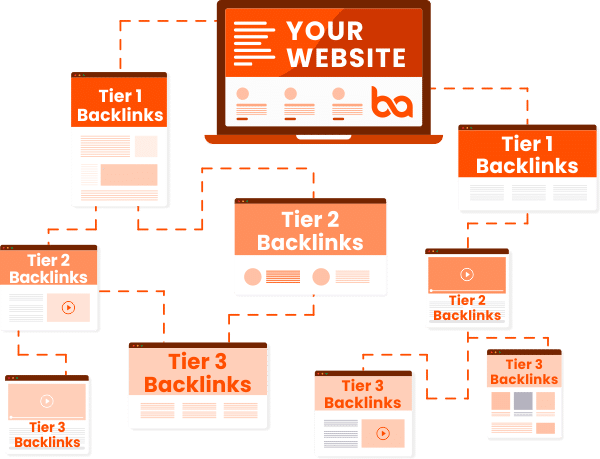
Comparing Manual Versus Tiered Link Building Returns
This leads to your website ranking for keywords that are just too difficult to rank for or keywords that do not drive much traffic. Each page on your website need to be constructed around one keyword, and you must do this for every page on your website, from classification to product pages.
Next, we'll discover those keywords. Finding keywords for an ecommerce service must be focused around one main goal:. There are millions of blog sites and websites out there that can answer questions in the product research stage, however you wish to target keywords that have purchaser intent behind them, that's how you get more sales.
One foolproof way to find these high purchaser intent keywords is to use Amazon. To find keywords from Amazon, use the autofill idea function to get ideas.
The Global Link Building Strategies for Digital Success
These suggestions will generally be really targeted (or long tail) keywords. Long tail keywords convert better than shorter ones as they generally have more buyer intent behind them.
Luckily, there's a fantastic complimentary tool you can use called the Amazon Keyword Tool, which return lists of appropriate keywords based on what you go into. To use this tool enter your seed keyword into the search bar and struck the search icon and you'll return a list of terms like this: Simply like that I now have 277 keywords with high buyer intent behind them that I can use to optimize each of my pages around.
Add the keywords to your list so you're keeping track of all your research. You can likewise download your list as a CSV file directly from the tool. There's a lot of nuance in understanding which keywords you must use as we start to take a look at much deeper purchaser intent, search volume, and prepared for problem in ranking for the given term.
So, you require to monitor what the competitors is doing. To do this type your keyword into Google: And after that select a competitor. Choosing the highest-ranking competitor is probably an excellent way to start getting winning ideas. Check out the site and take a look at their classification and item pages for keyword ideas that you can utilize for your site.
Strategic Guidelines for Structuring Tiered Link Campaigns
You can also run their category pages through Ahrefs or SEMrush to see what keywords drives the majority of their site traffic. If you sort these keywords by volume, you can then see which of the leading keywords could act as the main keyword for your page. You'll require a paid subscription to make use of this tool-assisted analysis.
When searching for your keyword on Google, you need to hopefully be seeing other shops look like opposed to blog sites this shows there is acquiring intent behind this keyword search. This tells you that your keyword's traffic is valuable. The Google Keyword Organizer lets you find search volume and CPC (Cost-per-click) so you can see how popular a term is and just how much it costs for a click for that keyword.
You're not going to get deep keyword ideas from the Keyword Organizer, so it's best used as a way to identify purchaser intent around your keywords. Here you can see how Google rates how competitive it would be to outrank your competitors for an offered keyword. You can also see what other brand names are bidding per click to get to the top of search engine result pages.
If you're offering seasonal products, pay particular attention to when you are browsing. As I discussed previously, there are a number of tools you can utilize to help your keyword research.
How to Integrate Technical Tools With Advanced SEO
If you're seeking to go extensive on the competitors, and the example we'll explain on here, then SEMrush is your best option. SEMrush isn't normally used for producing brand-new keywords based on your preliminary seed keyword. Rather you can utilize it to discover the keywords that your rivals already rank for.
You must get a list that appears like this: As you can see, this website ranks for over 39k keywords. You can repeat this process for all of your leading competitors to get an idea of what they're ranking for and what amount of monthly traffic each keyword is providing them.