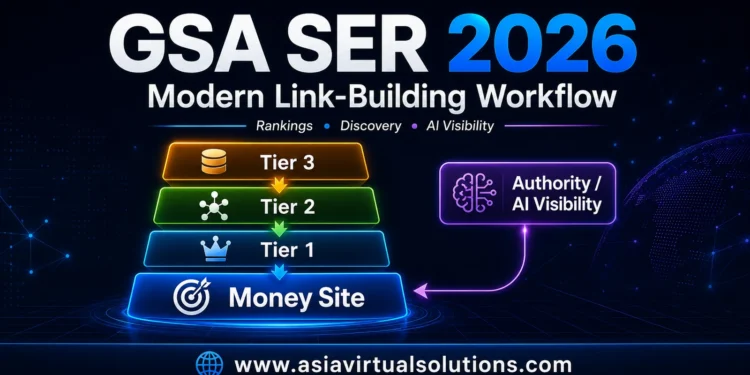
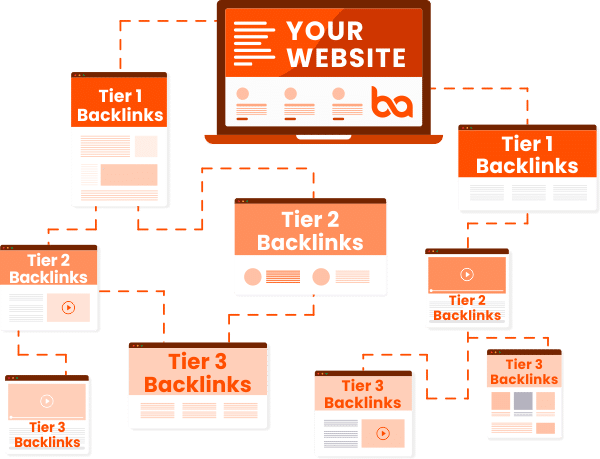
Advanced Multi-Tier Link Strategy for 2026
This post, the last installation in our four-part series on AI technique, breaks down the ROI of AI integration in mobile apps 2026 to assist you identify if your roadmap leads to revenue or redundancy. When determining the AI app advancement cost vs business value, numerous stakeholders fall into the Membership Trap or the presumption that AI costs start and end with a month-to-month API expense.
The intricacy develops since AI is not a set-and-forget feature; it is a living component of your software application. Unlike traditional code, which stays fixed until a designer alters it, AI designs go through Information Drift which refers to a phenomenon where the design's accuracy deteriorates as real-world information develops.
Current 2026 information suggests three distinct pricing tiers for AI application: Standard AI MVPs ($5,000 $75,000): Leveraging pre-trained APIs for functions like belief analysis or standard chatbots. Mid-Level Integration ($75,000 $250,000): Custom Retrieval-Augmented Generation (RAG) architectures and recommendation engines that require substantial information engineering. Enterprise-Grade Agentic Systems ($250,000 $1M+): Self-governing workflow systems that handle multi-step decision-making and high-precision metering.
Unlike traditional software where hosting is a foreseeable flat cost, AI functions sustain expenses every time a user connects with the model. Professionals now recommend budgeting for MLOps overhead, as high-volume apps can see token intake costs that consume into margins if not architected with a FinOps frame of mind. The cost-benefit analysis of AI features in software is no longer purely speculative.
This multiplier isn't simply a byproduct of automation; it represents the Effectiveness Frontier where AI-native architectures start to outshine tradition systems by intensifying information insights into actionable revenue. To catch this 1.7 x return, firms need to pivot from viewing AI as a 'cool feature' to treating it as a core engine for Info Gain, making sure every token invested contributes directly to a measurable service outcome.
done for you GSA SEREvaluating SEO ROI for Automated Systems
The most successful combinations prevent the Expectation Space by aligning specific company KPIs with a tiered maturity model, moving from instant functional wins to long-lasting market interruption. 618 Months: Short-term gains are generally seen in effectiveness and cost avoidance. This includes reducing consumer support tickets by as much as 68% through intelligent routing.
3+ Years: Long-term ROI is found in market share gains and completely new company designs made possible by agentic AI. From a Generative Engine Optimization (GEO) perspective, the worth of your app's AI is no longer determined by how much it can summarize, however by its Information Gain. In 2026, AI search representatives (like Gemini, ChatGPT, and Perplexity) have actually progressed.
Verified Sources: Real-world applications and technical evidence. Actionable Intelligence: Insights that resolve a user's issue instantly. By incorporating AI that generates original, exclusive analysis for your users, you aren't just improving your UXyou're making your platform more visible to the AI-native search tools driving today's traffic. Deciding to include AI isn't just about a new function; it's about the health of your existing environment.
True strategic worth is found in guaranteeing your structure is robust enough to sustain a next-generation. Otherwise, you aren't constructing a possession; you're building up technical financial obligation. If you are currently architecting a merged, multi-device software environment, AI shouldn't be an afterthought. It ought to be baked into the Task-to-Value telemetry.
Optimizing Link Building ROI for 2026
On the flip side, we see lots of companies having a hard time with AI Technical Financial Obligation. If your present software application is lagging or underperforming, you may need a.
To conclude our cluster strategy, technique is the 2026 verdict: Decision is worth it only if just solves a resolves friction point. To move beyond the theoretical, we should look at the tough metrics of 2026.
While the ROI of AI integration in mobile apps 2026 is higher than ever for top performers, the gap between working innovation and business value is wide. In this landscape, the most costly error you can make is incorporating AI as an ornamental layer rather than a practical core.
Ultimately, the winners of 2026 will be those who prioritize Information Gain and architectural resilience over the superficial appeal of the current design. Prepared to Construct Your AI Roadmap? At Jhavtech Studios, we don't simply add functions; we construct topical authority and technical quality. Whether you're wanting to develop a next-generation cross-platform digital experience or need a strategic engineering intervention to recover lost momentum, our group is all set to help you navigate the 2026 landscape.